

How to Prevent Frozen Pipes This Winter

Posted on: January 20, 2026
How to Prevent Frozen Pipes This Winter

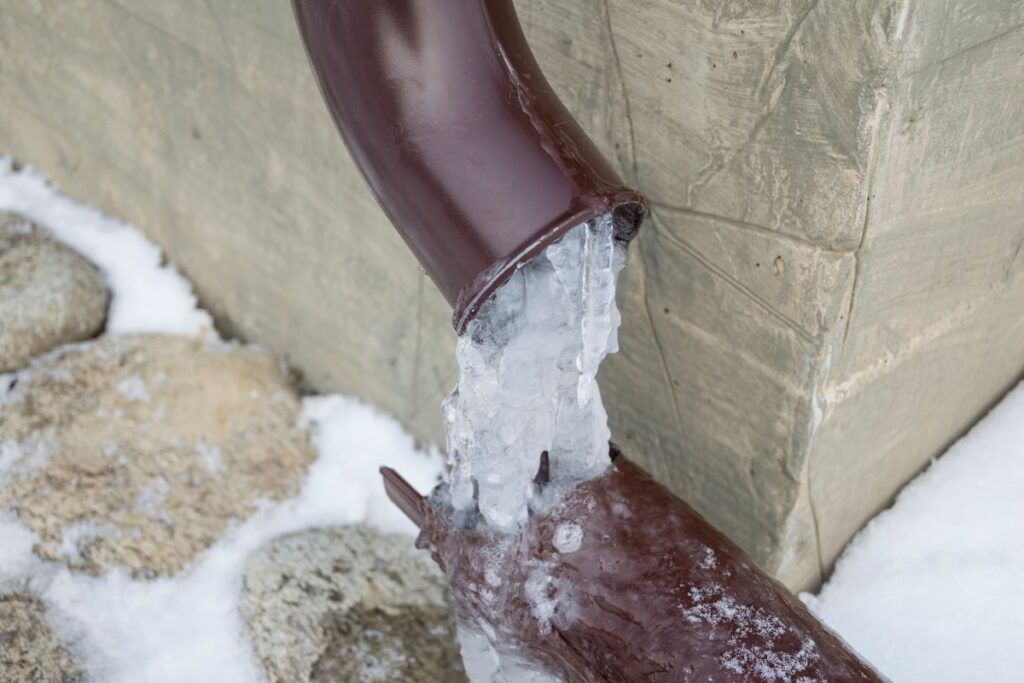
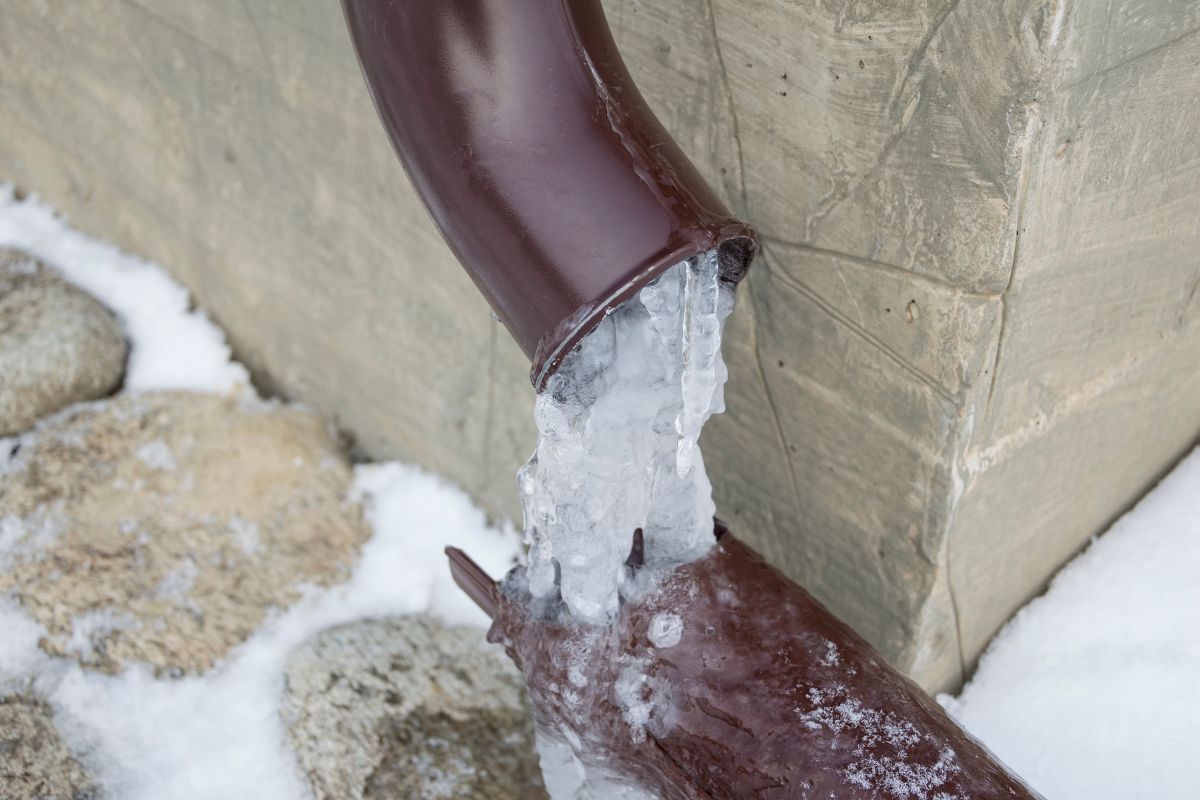
Frozen pipes are more than an inconvenience; they can burst, causing costly water damage. The good news is that a few simple steps can greatly reduce your risk during cold weather.
Start by insulating exposed pipes, especially those in unheated areas like basements, crawl spaces, garages, and exterior walls. Pipe insulation sleeves or heat tape are inexpensive and easy to install. Sealing gaps around windows, doors, and where pipes enter the home also helps keep cold air out. Check smaller openings around vents, fixtures, and utility lines, as cold drafts can enter from unexpected areas.
When temperatures drop significantly, let faucets drip slightly. Moving water is less likely to freeze, and even a slow drip can relieve pressure inside the pipes. It’s also important to keep your home heated consistently, even if you’re away. Set the thermostat to at least 55°F to protect plumbing.
Finally, disconnect outdoor hoses and shut off exterior water lines if possible. Drain any remaining water from outdoor faucets to prevent freezing at the connection point. If your home has a sprinkler or irrigation system, winterize it early to prevent frozen water from expanding and cracking the lines.
Taking these preventive steps now can save you from expensive repairs and major headaches later. A burst pipe can release more than 100 gallons of water within minutes, leading to rapid damage inside your home. A little preparation goes a long way toward keeping your pipes—and your home—safe all winter long.
A burst pipe can cost thousands. Make sure you’re covered. Talk to Klinger Insurance Group now. Call 301-428-4935.

Request Your Proposal Here
Are you ready to save time, aggravation, and money? The team at Klinger Insurance Group is here and ready to make the process as painless as possible. We look forward to meeting you!